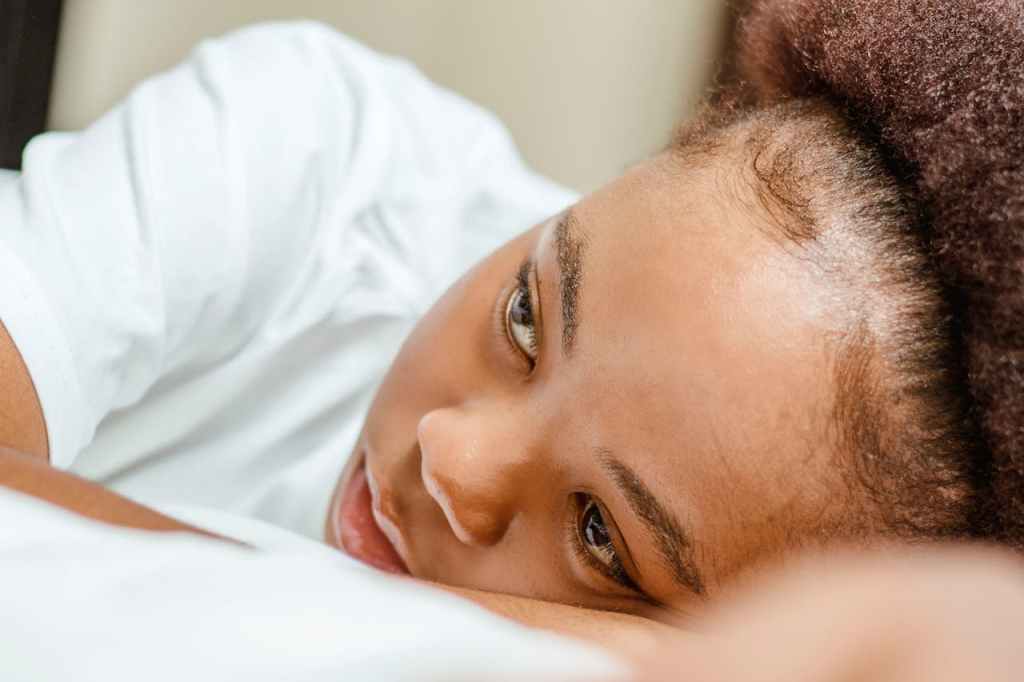
Losing hair in your hairline is a common problem that many Black women experience. It can change one’s appearance, affect their self-esteem and self-confidence, and limit the kinds of hairstyles they can do. For this reason, it’s good to know how to protect your hairline and avoid losing your edges. That’s what we will cover in this article. But first, what causes the loss of edges and ruins many Black women’s hairlines? Let’s see.
Why Some Black Women Lose Hair Around Their Hairline
- Too-tight hairstyles, e.g., tight braids, ponytails, weaves, or buns
- Hair over-manipulation when styling or washing
- Heavy braids
- Braiding too often, not letting your hair rest
- Tight hair accessories like headbands, hair clips, durags, elastic band bonnets, or scarves
- Poor diet
- Illnesses such as autoimmune diseases, like scalp psoriasis, alopecia areata, and lupus, as well as cancer treatments
Disclosure: This post contains affiliate links.
How to Protect Your Hairline as a Black Woman
- Opt for protective hairstyles
Braided hairstyles are usually the go-to hairstyles for most Black women. Many of them look beautiful, are easy to style, they are low maintenance, and can last long. However, braids are among the main reasons for hair loss along the edges for people with afro-textured hair.
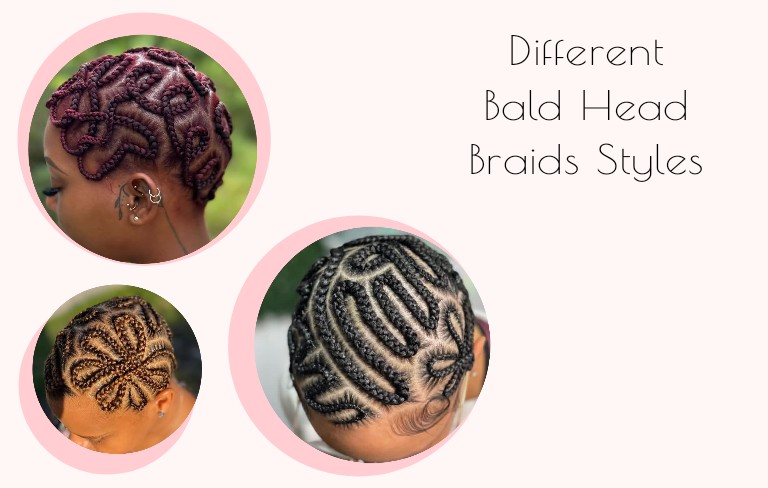
You can protect your hairline by going for protective hairstyles. For example, your natural hair, wigs, or protective braids hairstyles, many usually have cornrows at the front.
- Avoid anything that causes tension
Too-tight or too-heavy hairstyles and hair accessories, such as braids, head wraps, headbands, scrunchies, rubber bands, hair extensions, durags, beads, or hair clips, can cause hair loss on your edges.
Protect your hairline by avoiding anything that puts too much strain on your hair, either because of the weight or tightness. For instance, use lightweight braiding hair, hair extensions, or beads.
- Handle your hair gently
Another way to protect your hairline as a Black woman is by handling your hair gently. For example,
- Don’t pull on your hair when washing, styling, unbraiding, or detangling it
- Avoid overmanipulation when styling your natural hair or braids
- Take down your braids and detangle your hair by hand
- Wear a satin bonnet when sleeping to reduce friction with your pillow or sheets,
- Don’t rub your hair roughly to get water, sweat, or buildup out
- Take care when putting on or taking off any clothes that go over your head, e.g., turtlenecks, sweatshirts, t-shirts, sweaters, beanies, etc.
- Properly detangle hair by hand or using a wide tooth comb slowly, starting from the ends to the roots
- Choose your hairstylist wisely
Not all hairstylists do good quality work. A bad one who mishandles your hair by braiding it too tightly might be the reason you are losing your edges. If you want to protect your hairline, you will need to find a good hairstylist.
Remember that too many cooks spoil the broth, and avoid going to different hairstylists every time you need to get your hair done. Try to stick to one good one who handles your hair with care, but still gets your desired hairstyle results.
- Don’t leave your braids in for too long
Though braids can last a long time, especially if your hair growth rate is slow, you shouldn’t keep them in for too long. Even if your braids still look okay, it is best to undo them within 4-5 weeks.
- Undo the edge braids that get loose
Your braids will inevitably become loose with time. When the braids on your edges loosen, don’t let them continue hanging on as this may strain the delicate hair further and eventually rip it off.
Black women can protect their hairline by undoing any loose braids along their edges. If you know how to braid hair, you can redo the edge braids. You could also let your hair be or include the undone hair when laying your edges.
- Let your hair rest
Braiding your hair too often may be why you’re losing your edges. It’s advisable to let your hair rest for at least one week after taking down your braids before having it braided again. Letting your hair rest between braid hairstyles will reduce the strain on your hair and give it time to recover from any damage done by your recent braided hairstyle.
- Moisturize your hair
A common mistake many Black women make, especially when their hair is braided, is not moisturizing it. However, braids are a low-maintenance hairstyle, not zero-maintenance.
Whether your hair is in braids, under a wig or scarf, relaxed, blow-dried, flat ironed, or natural, ensure you moisturize it. A good moisturizer will keep your hair hydrated, preventing the hair on your hairline from becoming dry, brittle, and breaking.
- Avoid hot hair tools
Heat hair styling tools such as blow dryers, flat/curling irons, straighteners, and hot combs are known to damage hair, but they can be even more harmful to the sensitive, softer hair in your hairline.
A lot of Black women lose their edges because the excess heat from hair styling tools weakens the hair strands and dehydrates them, making them easier to break off. If you must use hot hair tools, ensure you use a heat protectant first, lower the heat, and avoid getting too close to the roots of your edges or repetitively going over the same area.
- Avoid buildup on the scalp
Hair products, makeup, skincare products, dust, and lint can build up on your scalp and in the hair near your face and neck. This buildup can irritate your scalp, making you scratch and break the hair in your edges.
To protect your hairline as a Black woman, avoid using large amounts of hair products, especially gel and wax; wear a headband when applying makeup and other skincare products; protect your hair from dust when outdoors, and wash your hair at least once a week (or whenever it’s dirty). Also, avoid rubbing roughly to stop an itch or to get buildup or sweat out of your hair.
- Watch your diet
What you eat affects your overall health, including the health of your hair. Deficiencies and excesses of particular nutrients can affect hair growth and strength, resulting in hair loss.
Since hair is made of keratin, which is a protein, consumption of proteins is vital for good hair health. Other nutrients whose deficiencies may affect hair growth and strength include iron, calcium, zinc, vitamin C, and B vitamins, among others.
- Use a sulfate-free shampoo
Don’t just pick the cheapest or the first shampoo you see at the store. To protect your hairline, opt for a good sulfate-free shampoo.
Sulfate-free shampoos are gentler cleansers that preserve the hair’s moisture balance and do not cause scalp irritation. These shampoos are especially great for Black people with kinky hair and anyone with colored hair.
- Avoid chemical treatments
Coloring your hair and perming or relaxing it can also damage Black women’s hairlines. Chemical treatments strip the hair of its natural oils and alter its disulfide bonds, which makes it vulnerable to damage and breakage due to dryness and brittleness.
- Do not strain the same area
Whether it’s braiding, washing, combing, laying edges, or blow-drying hair, avoid straining one area, as this may cause breakage. As a Black woman, you can protect your hairline by changing up braids styles and sizes each time. When combing your hair, blow-drying it, or using other hot styling tools, avoid going over the same area repetitively.
- Stop laying your edges
Laying edges is an overrated practice among Black women. It’s not worth all the effort many put into getting their edges laid. The products used, such as alcohol-based edge control gels, and the technique one uses to lay their edges, can lead to breakage, thinning, and sometimes, permanent hair loss. To protect your hairline, you can give up the practice of laying your edges and embrace the way your natural hair behaves while unlaid.
Take Away
Your hair is your crown. You should protect it however you can, especially the finer, more fragile hair on your edges. Hopefully, these tips will help you protect your hairline and maintain healthy natural hair as a Black woman.
Did you like this article? Please share it.
Read more from Beauty in a Bind here.